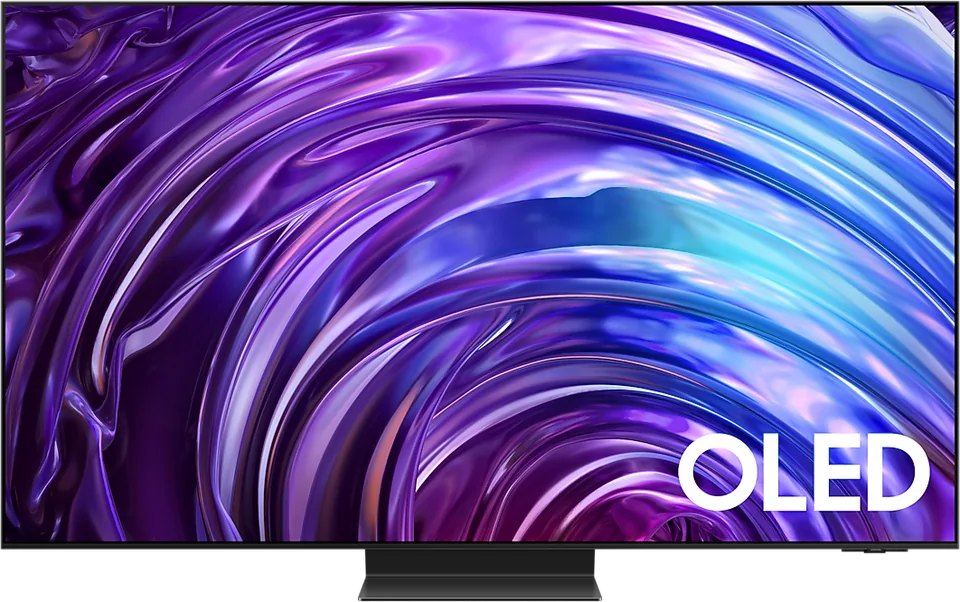
OLED for perfect blacks + contrast (best for dim rooms). Mini-LED for sustained brightness (best for bright rooms).
What to aim for
OLED if you control room lighting. Mini-LED with 2000+ local-dimming zones for sun-lit rooms.
2 min read
TV selection in 2026 is OLED vs Mini-LED, picture-quality first. Smart features come from the streaming stick / console you're using regardless, so don't overweight smart-OS quality.
OLED for perfect blacks + contrast (best for dim rooms). Mini-LED for sustained brightness (best for bright rooms).
OLED if you control room lighting. Mini-LED with 2000+ local-dimming zones for sun-lit rooms.
Dolby Vision uses dynamic per-frame metadata; HDR10 is static.
Dolby Vision support for movies. HDR10+ on Samsung if you watch lots of Amazon Prime.
HDMI 2.1, VRR, ALLM, 120Hz/144Hz are the modern gaming-TV checklist.
4× HDMI 2.1 with 120Hz+ on at least 2 ports, VRR, ALLM. G-Sync compatible for PC.
Manufacturers quote peak (small window) brightness. Sustained (full-screen) is what bright rooms actually deliver.
Premium OLED: 1500+ nits peak. Premium Mini-LED: 4000+ nits peak. Sustained matters more for sports / news / gaming.
OLED has the lowest motion blur natively. Mini-LED needs "high refresh + BFI" to match.
OLED for motion-critical (sports, gaming). High-refresh Mini-LED if brightness > motion.
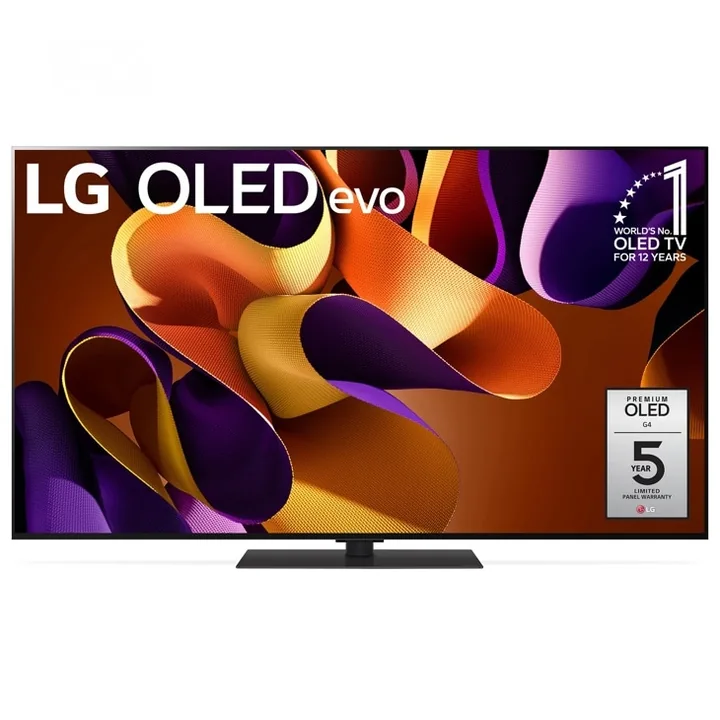
LG C4 OLED 65″ at ~$1899 (sale price). Most-recommended TV of 2024-2026.