Gaming benefits most from L3 cache; productivity scales with core count and threads.
What to aim for
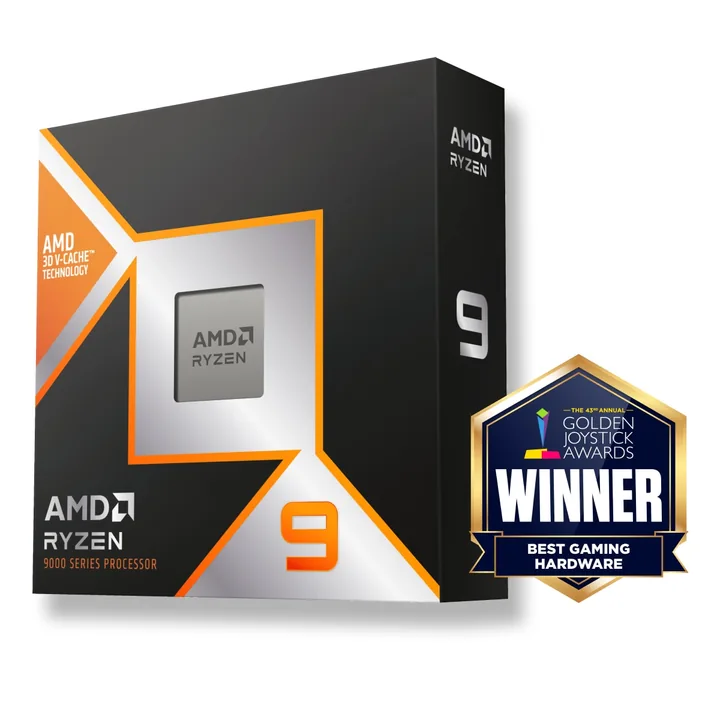
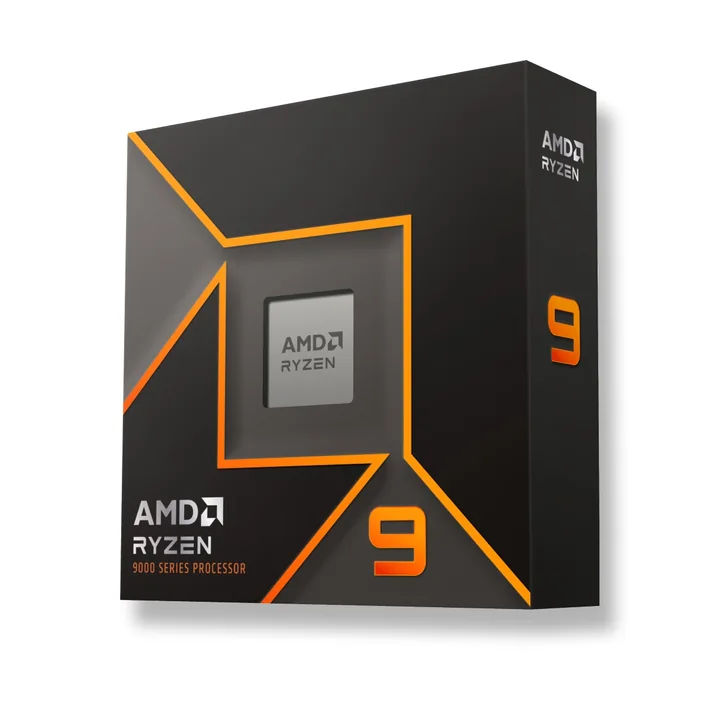
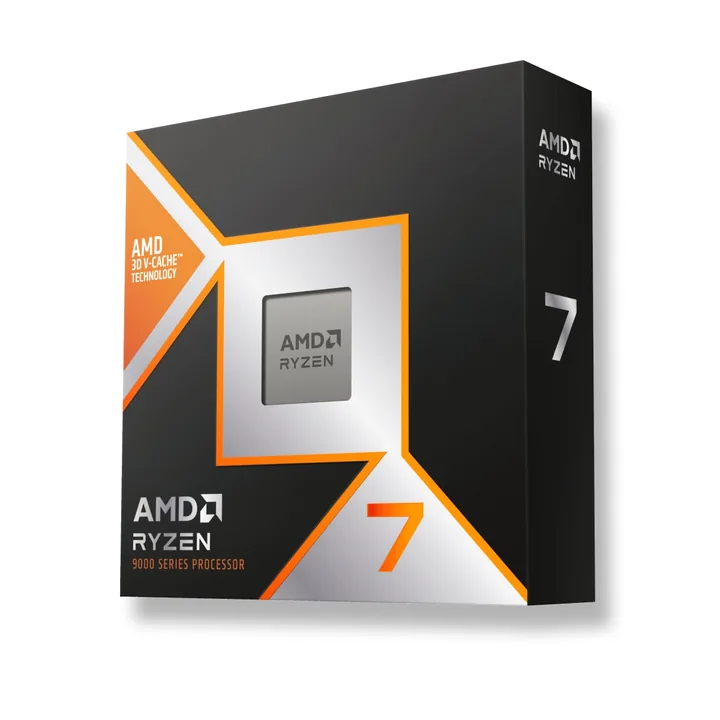
Gaming-first → Ryzen X3D. Productivity-first → Ryzen non-X3D or Intel Core Ultra. Mixed → Ryzen 9 9900X3D.
2 min read
Modern CPU selection is a question of platform choice and use case. Gaming-first builds want X3D V-Cache. Productivity-first wants core count. Mixed-use builds split the difference.
Gaming benefits most from L3 cache; productivity scales with core count and threads.
Gaming-first → Ryzen X3D. Productivity-first → Ryzen non-X3D or Intel Core Ultra. Mixed → Ryzen 9 9900X3D.
AMD's AM5 is supported through 2027+. Intel LGA1851 is a new socket with limited lifespan promise.
AM5 if you plan to upgrade mid-cycle. LGA1851 if you want the latest Arrow Lake / future Intel.
Modern X3D + Arrow Lake CPUs need 240mm+ liquid or premium air. Stock coolers (when included) are insufficient.
240mm AIO or NH-D15 G2-class air for sustained workloads.
Different CPUs have different "sweet spot" RAM speeds where performance plateaus. Beyond it, gains are marginal.
AM5: DDR5-6000 CL30. LGA1851: DDR5-7200 CL34.
TDP is a sustained load number; PL2/PPT can boost 2-3× for short windows.
Verify your motherboard VRM can handle the boost power, not just the base TDP.
Ryzen 9 9800X3D for gaming-first ($479). Ryzen 9 9900X3D for mixed-use ($599). Avoid Core Ultra 9 285K unless you need its specific NPU.