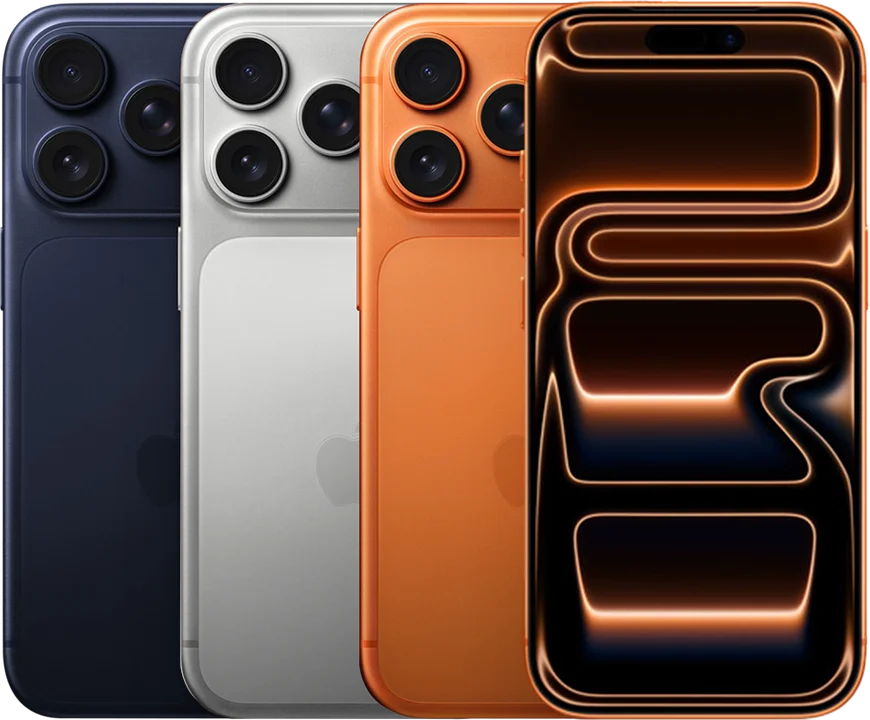
OLED with LTPO is the 2025 standard. LTPO scales refresh from 1-120Hz to save battery during static content.
What to aim for
LTPO OLED at 120Hz with 2000+ nit peak brightness. Skip if budget — IPS LCD at 90Hz is fine.
2 min read
Modern flagships are converging — every $1000+ phone has flagship silicon, a great display, and a competitive camera. The differentiators that actually matter are camera tuning, software longevity, and how the phone fits your existing ecosystem.
OLED with LTPO is the 2025 standard. LTPO scales refresh from 1-120Hz to save battery during static content.
LTPO OLED at 120Hz with 2000+ nit peak brightness. Skip if budget — IPS LCD at 90Hz is fine.
The chip in the phone determines performance ceiling, but thermals determine the floor. A throttling SoC under sustained load is worse than a slower-but-stable one.
Snapdragon 8 Elite, A18/A19 Pro, or Tensor G5 with vapor-chamber cooling for sustained gaming/AI workloads.
Main sensor size matters more than megapixels. Telephoto reach matters more than ultra-wide. Computational pipeline (HDR, low light) matters most.
Main sensor ≥1/1.3″, optical telephoto with at least 3× zoom, mature computational pipeline (Pixel, iPhone, Samsung tier).
Capacity is one number; real-world drain is another. Silicon-carbon batteries pack more capacity into the same volume.
4500+ mAh with 30W+ wired charging. Silicon-carbon cells are a plus.
How many years of OS + security updates the manufacturer commits to.
7 years (Apple, Samsung, Google) — 4 years on most other Android. Commitment is meaningless without a track record.
iMessage / AirDrop / Continuity vs OneUI flow vs Pixel Feature Drops. Each has lock-in.
Match what your other devices use. Switching ecosystems works but isn't free.
Pixel 9a / OnePlus 13R / Galaxy A56 — flagship-class CPU, 7-year updates, $499-699. Most users genuinely don't need the $1300 Ultra tier.