01
Weight class
Sub-250g (no FAA registration), 250-900g (registration + Remote ID), 900g+ (commercial-grade).
What to aim for
Sub-250g for casual + travel. 900g class for serious aerial cinema.
2 min read
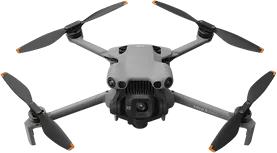
Drone purchases hinge on weight class and use case. Sub-250g drones don't need FAA registration (US) and travel anywhere. Mid-weight prosumer adds bigger sensors but registration. Pro/cinema is gimbal + 1″+ sensor + multi-day kit.
Sub-250g (no FAA registration), 250-900g (registration + Remote ID), 900g+ (commercial-grade).
Sub-250g for casual + travel. 900g class for serious aerial cinema.
1/1.3″ (Mini), 1″ (Air/EVO Lite), 4/3″ (Mavic 3/4 Pro). Bigger = lower noise + better low light.
1″+ if you care about image quality. 4/3″ if you're doing client work.
Realistic in-flight minutes per battery. Manufacturer claims are still-air; subtract ~10% for wind.
30+ min on prosumer. 45+ min on flagship (Mavic 4 Pro Plus battery).
OcuSync (DJI), SkyLink (Autel) — distance + reliability vary. Range is lab-perfect; subtract heavily for urban environments.
OcuSync 4 (DJI O5) is the gold standard. 10+ km claimed = ~3-5 km real-world urban.
Omnidirectional sensors prevent crashes during return-to-home.
Omnidirectional on prosumer. Forward + downward minimum on entry.
No-fly zones embedded in firmware (DJI) or open (Autel). Check local laws too.
DJI for ease + safety; Autel if you're in a region where DJI geofences too aggressively.
DJI Mini 4 Pro ($759) for travel + sub-250g. DJI Mavic 4 Pro ($2299) for prosumer cinema. DJI Mini 4K ($299) for absolute beginners.