Memory capacity is a constraint, not a frame-rate prediction
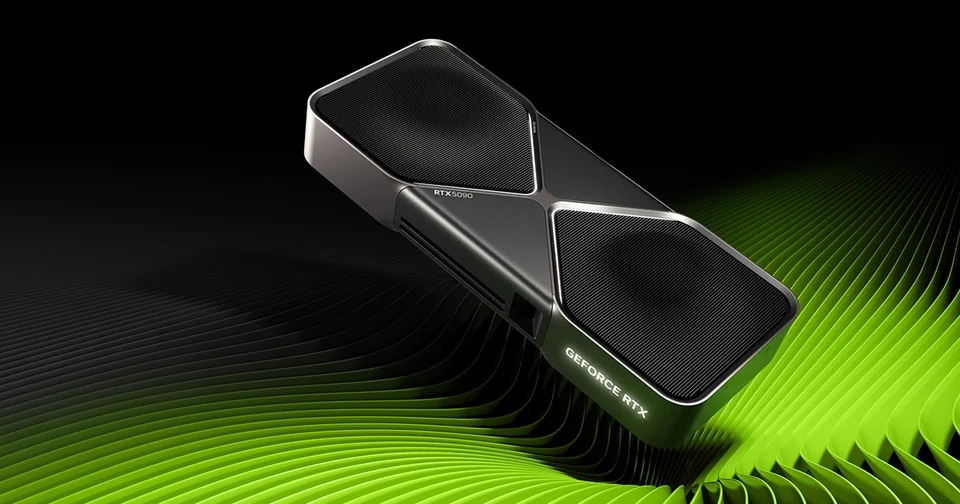
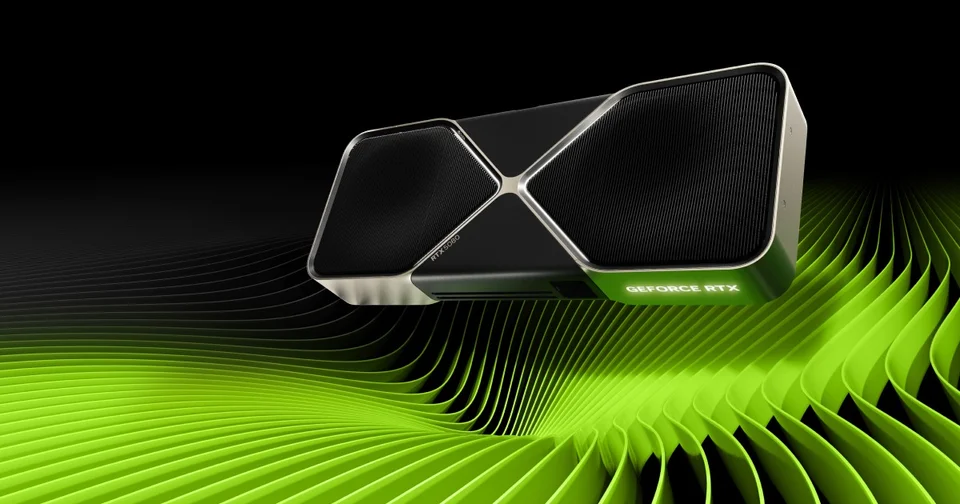
NVIDIA lists 16 GB of GDDR7 for the RTX 5080 and 32 GB for the RTX 5090. The extra capacity can matter for an application or model that demonstrably exceeds 16 GB, including some rendering scenes and local AI workloads. It does not establish a universal gaming-performance ratio. Game, resolution, settings, upscaling and frame-generation mode must be stated for a meaningful benchmark comparison.
Account for the whole system
NVIDIA’s reference specifications list 360 W total graphics power and an 850 W required system-power reference for the 5080, versus 575 W and 1000 W for the 5090. These are specification and reference-system figures, not measured consumption for your PC. The board vendor, CPU, power supply, case clearance, cooling and connector requirements all need checking.
Avoid misleading shortcuts
PassMark points are a synthetic benchmark score, not frames per second in a game. We do not convert them into game performance or claim every title will reach a frame-rate target. Nor do we assume that a higher score makes the more expensive card the right purchase: a cheaper card that satisfies a workload’s requirements may be sufficient.
Our editorial recommendation
Start by evaluating the 5080 when your applications fit within its memory capacity and relevant benchmarks meet your target. Investigate the 5090 when a documented memory constraint or workload-specific performance gain justifies its total cost. Include any required power-supply, case or cooling changes. Check current offers for the exact board model rather than comparing only launch prices.