Match size, memory and storage
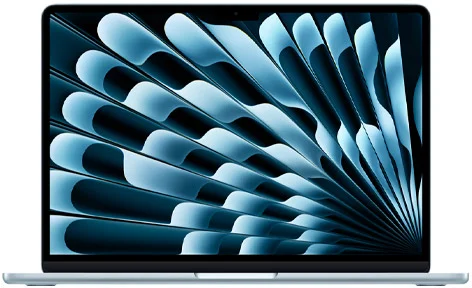
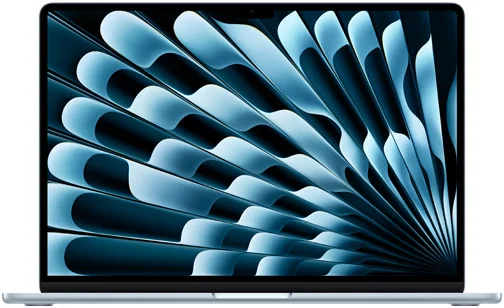
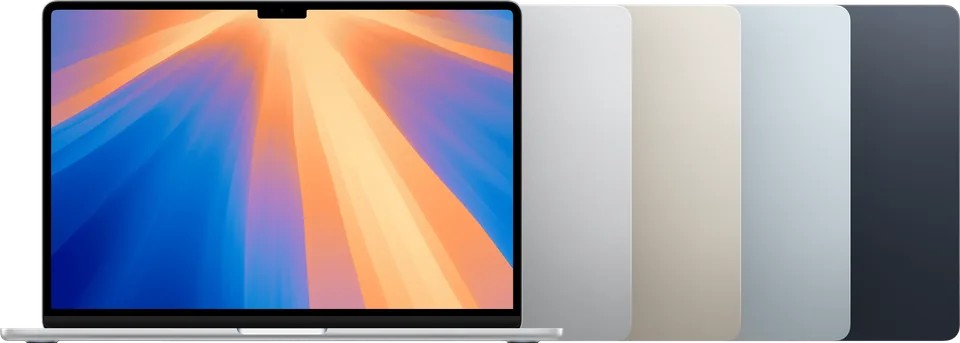
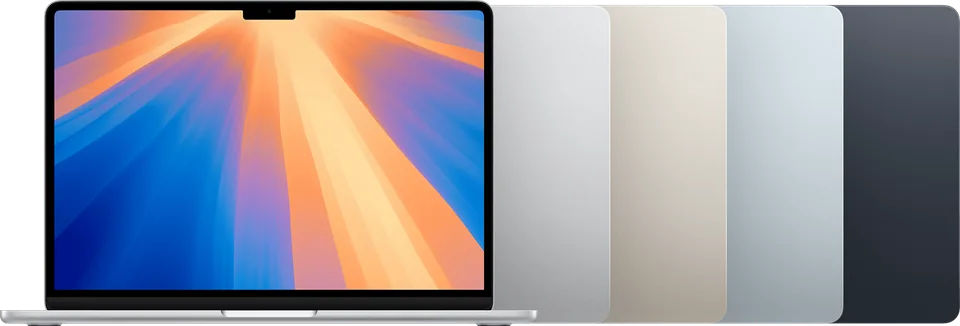
Apple’s M5 Air announcement lists 512 GB of starting storage, compared with 256 GB on the M4 generation, while both start with 16 GB of unified memory. A price comparison between entry models therefore includes a storage change. Compare the same screen size and the memory and storage you need before deciding whether the newer machine carries a worthwhile premium.
Check the connections you actually use
The M5 Air adds Wi-Fi 7 and Bluetooth 6 and retains two Thunderbolt 4 ports. These changes matter most when the rest of your equipment can use them. The 13-inch M4 Air supports up to two external 6K displays at 60 Hz alongside its built-in display, according to Apple; it is not limited to one external monitor. Check your dock, cable and monitor requirements separately.
Battery and performance are different questions
Apple specifies up to 18 hours of video playback and 15 hours of wireless web use for the 13-inch M4 Air. Those figures should not be presented as 24 hours of everyday battery life. A chip generation or editorial score also cannot establish export speed for your software. Look for application-specific tests with the same memory configuration if sustained performance is central to your purchase.
Our editorial recommendation
Consider a discounted M4 Air when its documented memory, storage, display and connectivity meet your needs. Consider the M5 when the larger starting storage or newer connectivity is useful and its actual price premium makes sense. Existing M4 owners should identify a concrete limitation before upgrading. Use current local offers, not historical MSRP, to decide between configurations.